
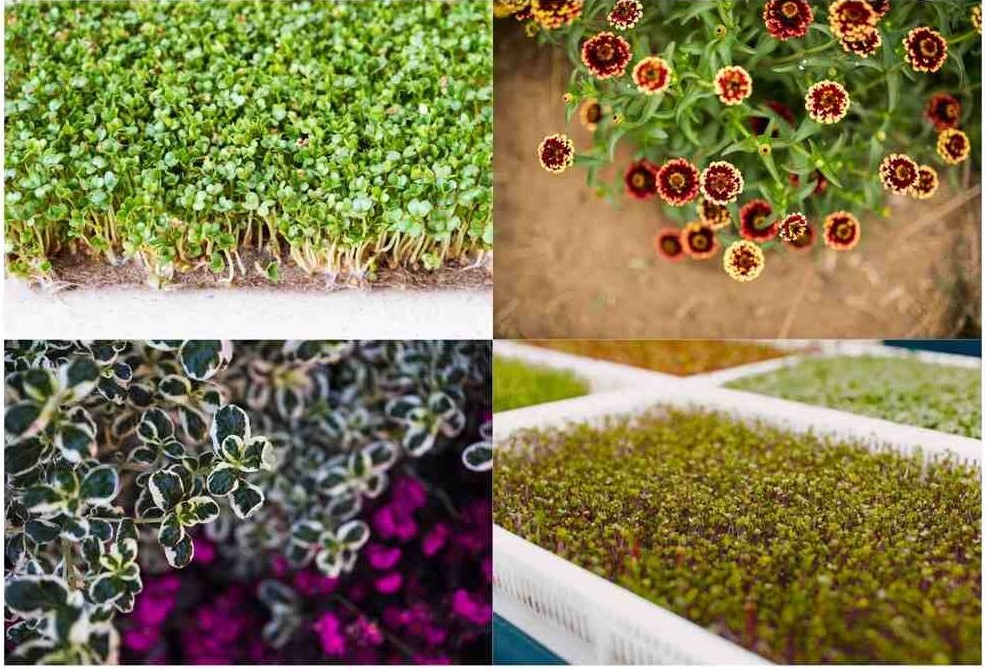
The gorgeous aquatic plant Alternanthera Rosaefolia Tissue Culture has vivid red foliage with beautiful white vein patterns. It is a member of the Polycnemaceae APNI family and is well-known for its beautiful aquascaping. Like other stem plants, it requires medium to high light for proper growth, with the addition of CO2 essential for optimal development. Alternanthera Rosaefolia Tissue Culture can thrive emerged and submerged, stretching out a height of up to 8 inches. However, its cultivation through tissue culture presents unique challenges.
Challenges in Alternanthera Rosaefolia Tissue Culture
Alternanthera Rosaefolia Tissue culture, while highly effective, remains a labour-intensive and time-consuming technique. It requires precise control of environmental conditions and often demands costly laboratory equipm Alternanthera Rosaefolia Tissue Culture for crop production. Nevertheless, the potential rewards for successfully tissue-cultured plants are immense. In developing countries, Alternanthera Rosaefolia Tissue Culture has been essential in propagating economically valuable plants such as oil palm, plantain, cassava, and banana.
Role of Orchids in Alternanthera Rosaefolia Tissue Culture Development
One of the first plants to be successfully cultivated, admiration have played a noteworthy role in the improvement of Alternanthera Rosaefolia Tissue Culture methods. Large-scale production of rare and endangered orchid species, while preserving their genetic diversity and expanding their availability to horticulturists, has been made possible using tissue culture. Additionally, the intricate biology of orchids has given scientists important news information that has improved tissue culture techniques. Numerous studies continue to explore the tissue culture of various orchid species, underlining their significance in botanical science.
The Fundamentals of Plant Tissue Culture
Plant tissue culture, often called micropropagation, involves the growth of tissues or cells in a false medium outside of the parent organism. This method is invaluable for generate plants that are hard to grow from seeds or cuttings. The following are key types of plant Alternanthera Rosaefolia Tissue Culture:
Callus Culture
Callus culture involves the growth of undifferentiated plant cells on a nutrient medium. Under the right conditions, these calli cells can develop into complete plants.
Embryo Culture
Embryo culture rescues embryos from seeds that may otherwise fail to germinate. It is particularly useful in breeding programs where hybrid seeds face compatibility issues.
Seed Culture
Seed culture is one of the simpler forms of tissue culture. It involves sterilizing and growing seeds on a nutrient medium, promoting faster germination and growth than traditional methods.
Protoplast Culture
Protoplast culture isolates plant cells without cell walls, allowing for genetic manipulation and hybridization. This technique holds significant promise in creating disease-resistant and stress-tolerant plant varieties.
Organ Culture
Growing plant organs in vitro, such as roots, shoots, or leaves, is known as organ growing. This method can study organ development or propagate plants from a small portion of the original tissue.
Other Types of Alternanthera Rosaefolia Tissue Culture
Beyond these methods, several other specialized tissue culture techniques exist. Somatic embryogenesis, for example, enables the creation of embryos from somatic cells, while meristem culture focuses on the rapid multiplication of plants through shoot tips. Every method has distinct benefits that are suited to the demands of various plant types.
Alternanthera Rosaefolia Tissue Culture Impact on Global Agriculture
Tissue culture has a significant impact that goes beyond houseplants like orchids and Alternanthera Rosaefolia Tissue Culture. It is becoming a vital instrument in international agriculture, especially in underdeveloped nations. Tissue culture facilitates the quick production of high-capitulate, disease-free plants, which promotes food security and sustainable farming methods. Oil palm, sweet potatoes, yams, cassava, and other crops are essential to the food supply and financial state of many countries. In areas where agriculture is the primary industry, tissue culture’s consistency and increased production are priceless.
The Intersection of Biotechnology and Tissue Culture
The relationship between tissue culture and biotechnology is collegial concerted coordinated harmonious interdependent reciprocal united. Advances in transmissible engineering have opened news avenues in tissue culture by allowing for the precise manipulation of plant genomes. Through gene editing and body part fusion techniques, scientists can develop plants with desirable traits, such as enhanced resistance to pests, increased drought tolerance, or improved nutritional content. This fusion of tissue culture and biotechnology holds the potential to revolutionize agriculture, leading to crops that can better withstand the dare posed by climate change and population growth.
Future Prospects of Tissue Culture
As tissue culture evolves, its future applications are vast and varied. The development of automated systems promises to make the process more efficient and cost-effectual, reducing the labour and time investment required. As scientists gain a deeper understanding of plant cellular mechanisms, news methods will emerge that allow for even more precise control over plant development. This will have far-reaching innuendo for agriculture and conservation efforts, as rare and endangered plants can be preserved and propagated with greater success.One particularly exciting area of development is the application of Alternanthera Rosaefolia Tissue Culture in creating synthetic seeds.
Conclusion
Tissue culture represents a critical advancement in modern botany, offering immense potential for the mass production of plants and the preservation of rare species. Despite its challenges, such as labour intensiveness and cost, its applications continue to expand. From Alternanthera Rosaefolia Tissue Culture to orchids and economically important crops, tissue culture remains at the forefront of agricultural and horticultural innovation.