The Internet of Things (IoT) has become one of the most disruptive forces in modern technology. From smart homes to industrial automation, IoT devices generate massive amounts of data that help improve efficiency, security, and user experiences. However, as IoT adoption grows, one major challenge persists: interoperability.
Enter Inter IoT — an advanced framework designed to ensure smooth communication and integration between IoT platforms, devices, and networks. It eliminates silos and empowers businesses, governments, and consumers with seamless, scalable, and secure connectivity.
What is Inter IoT?
At its core, Inter IoT is an interoperability framework that allows different IoT systems to work together without restrictions. Traditionally, IoT ecosystems were closed — meaning a device made by one company often couldn’t communicate with another. This lack of connectivity limited the true potential of IoT.
Inter IoT changes that by introducing standardized communication protocols, middleware, and integration layers that make devices “speak the same language.”
Key Features of Inter IoT
- Cross-Platform Integration – Supports communication between devices across different ecosystems.
- Interoperability – Bridges compatibility gaps between diverse IoT standards.
- Scalability – Handles massive deployments across industries.
- Security – Ensures data privacy and integrity across devices.
- Flexibility – Works with both legacy systems and modern platforms.
By building on these features, Inter IoT creates a harmonized digital ecosystem that is future-ready.
The Importance of Inter IoT in Modern Technology
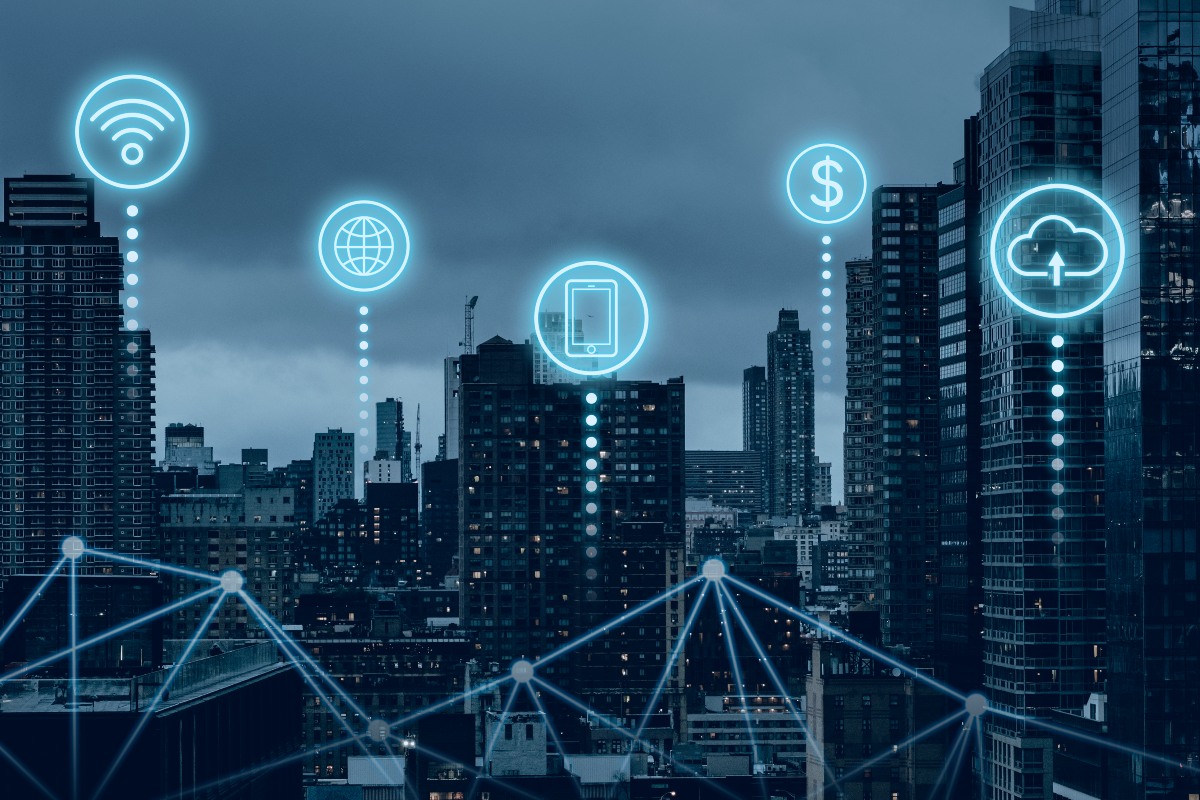
Breaking Down Silos
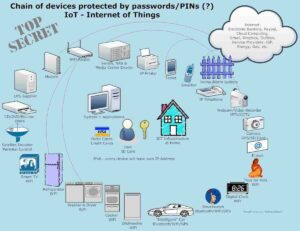
IoT devices are everywhere: wearables, connected cars, medical sensors, and industrial machines. Without interoperability, these devices operate in isolation. Inter IoT solves this by allowing systems to share data and collaborate.
For example, a smart car using GPS data could also communicate with a city’s traffic lights to reduce congestion — something only possible with interconnected IoT systems.
Enhancing Efficiency
Businesses benefit immensely when IoT systems are unified. For instance, in supply chain management, IoT-enabled tracking devices can share real-time updates with logistics platforms, reducing delays and increasing transparency.
Improving User Experience
Consumers also see value. A smart home is far more powerful when the fridge, air conditioner, and security cameras work together — regardless of brand. Inter IoT ensures brand-agnostic connectivity, making the user experience seamless.
Applications of Inter IoT Across Industries
Smart Cities
Smart cities rely on millions of interconnected devices — from streetlights to traffic management systems. With Inter IoT:
- Sensors can optimize electricity usage in street lighting.
- Smart bins notify waste collection trucks in real time.
- Emergency systems connect directly with traffic signals to clear routes for ambulances.
The result: sustainable, efficient, and safer urban environments.
Healthcare
Healthcare is one of the biggest beneficiaries of IoT. Wearable health trackers, hospital monitoring devices, and telemedicine platforms can work together to:
- Monitor patient vitals in real time.
- Share reports directly with doctors.
- Trigger automated alerts in emergencies.
This interoperability saves lives and enables personalized healthcare delivery.
Manufacturing and Industry 4.0
Factories increasingly depend on IoT-enabled machines and predictive analytics. With Inter IoT:
- IoT sensors can connect with ERP systems to streamline operations.
- Automated robots can communicate with quality control systems.
- Predictive maintenance reduces downtime and costs.
This enhances productivity and helps manufacturers embrace Industry 4.0 standards.
Transportation and Logistics
In logistics, delays and inefficiencies are common. Inter IoT ensures:
- Fleet tracking devices communicate with warehouses.
- Connected vehicles share performance data with service centers.
- Predictive route planning improves delivery times.
This leads to cost savings and higher reliability in global trade.
Agriculture

Inter IoT is also transforming farming practices:
- Intelligent irrigation systems integrate with soil sensors to optimize water use.
- Drones equipped with cameras communicate with farm management platforms.
- Farmers receive AI-powered insights to increase yield.
By improving efficiency and sustainability, Inter IoT supports the future of smart farming.
Benefits of Adopting Inter IoT
Business Benefits
- Cost Efficiency – Eliminates redundant investments in hardware and software.
- Data Insights – Provides unified operational visibility.
- Scalability – Expands IoT systems without vendor lock-in.
Consumer Benefits
- Seamless Experiences – Devices from different brands work smoothly.
- Enhanced Security – Unified security protocols reduce vulnerabilities.
- Future-Proofing – Makes it easier to adopt emerging IoT innovations.
Ultimately, Inter IoT provides win-win advantages for both businesses and consumers.
Challenges in Implementing Inter IoT
Despite its benefits, Inter IoT faces barriers:
- Standardization Issues – Lack of universal standards complicates integration.
- Security Risks – Interconnected systems create more attack surfaces.
- High Costs – Legacy system migration requires significant investment.
- Data Privacy – Managing personal and corporate data demands strict compliance with GDPR, HIPAA, and other regulations.
Overcoming these challenges requires collaboration between governments, enterprises, and technology providers.
Inter IoT vs Traditional IoT
| Aspect | Traditional IoT | Inter IoT |
|---|---|---|
| Communication | Limited to vendor ecosystem | Cross-platform interoperability |
| Scalability | Hard to expand across systems | Easily scalable across industries |
| Security | Fragmented and inconsistent | Unified security measures |
| User Experience | Restricted functionality | Seamless multi-device interaction |
| Adoption | Industry-specific | Cross-industry adaptable |
Future Trends of Inter IoT
The future of Inter IoT is shaped by emerging technologies:
- AI Integration – Enables predictive maintenance and real-time analytics.
- 5G Networks – High-speed connectivity for massive IoT deployments.
- Blockchain Security – Transparent and secure data exchange.
- Edge Computing – Reduces latency by processing data locally.
- Global Standards – Industry collaborations will push for universal IoT frameworks.
By 2030, experts predict that over 25 billion IoT devices will be interconnected, making Inter IoT indispensable.
Case Study – Inter IoT in Smart Healthcare
A leading hospital network in Europe implemented Inter IoT to integrate wearable devices, smart hospital beds, and patient monitoring systems. The results were remarkable:
- 40% faster emergency response times.
- Improved accuracy of health diagnostics.
- Real-time sharing of patient records across departments.
This case proves how Inter IoT can save lives and optimize resources in healthcare.
Conclusion
Inter Internet of Things is not just a framework — it is the backbone of future connectivity. It breaks down silos, enhances efficiency, and ensures smooth integration across devices and platforms.For businesses, Inter IoT means greater innovation, reduced costs, and data-driven growth. For consumers, it promises seamless, secure, and future-ready experiences.As AI, 5G, and blockchain advance, Inter IoT will define the future of smart cities, healthcare, logistics, agriculture, and beyond. Companies that embrace it today will lead tomorrow’s connected world.
Frequently Asked Questions (FAQs)
What does Inter IoT mean?
Inter IoT is an interoperability framework that allows different IoT devices and systems to communicate seamlessly across industries.
Why is interoperability important in IoT?
It enables cross-platform communication, improves efficiency, and enhances user experiences.
Which industries benefit most from Inter IoT?
Industries like healthcare, manufacturing, logistics, agriculture, and smart cities benefit significantly.
What challenges does Inter IoT face?
The main challenges are standardization gaps, high integration costs, and security/privacy risks.
What is the future of Inter IoT?
The future includes AI integration, 5G-driven networks, blockchain security, and global interoperability standards.