
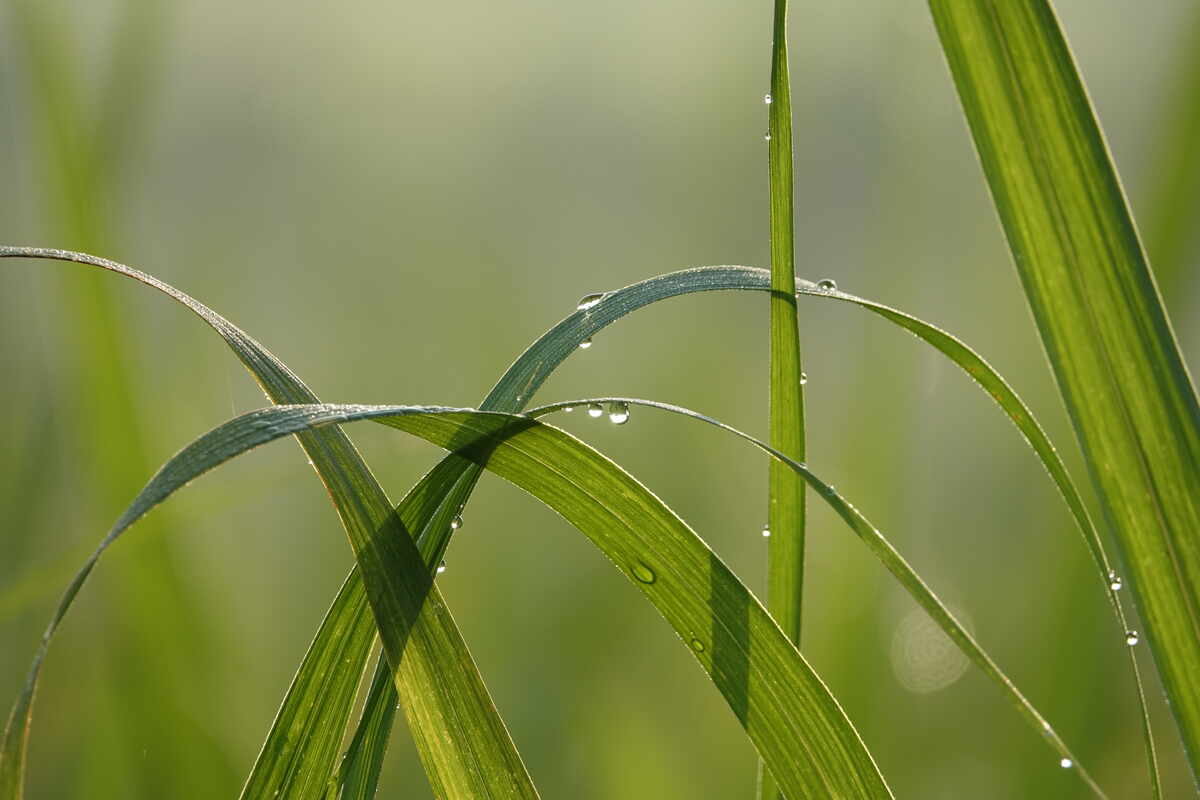
Juncus repens, commonly known as the Creeping Rush, is a charm aquatic plant that thrives in submersed and emersed environments. Characterized by its long, slender stems and narrow, grass-like leaves, this plant is an exemplary choice for aquarists of all levels, from new boy to seasoned hobbyists. Its adaptability to various conditions makes it a resilient and versatile addition to aquascapes. With its vivid green hue and ability to grow under multiple light and water parameters, Juncus Repens Aquatic Farmer Tissue Cultureis more than just a plant—it is a dynamic element that can transform the aesthetics of an aquarium.
Aquatic Farmer Tissue Culture
Tissue culture is a cutting-edge method in modern aquascaping to propagate plants like Juncus Repens in a controlled, sterile environment. This technique ensures that the plants are free from pests, algae, and diseases, offering aquarists a pristine start when introducing new flora to their tanks. Tissue culture plants are cultivated in state-of-the-art laboratories and meticulously grown in nutrient-rich media. This guarantees the plants’ health and vitality and promotes vigorous growth once introduced into an aquarium.
The Aesthetic Appeal of Juncus repens
Juncus Repens is often likened to a miniature version of Cyperus Helferi, another popular aquatic plant. Its slender, reed-like leaves create a soft, flowing texture that enhances an aquarium’s visual depth. When used as a mid-ground or foreground plant, it can make a natural, grass-like carpet that softens the transitions between different areas of the aquascape.
Versatility in Aquascaping
One of the most remarkable attributes of Juncus Repens is its versatility. Whether you are designing a minimalist aquascape or a densely planted Dutch-style tank, this plant can be incorporated seamlessly. Its ability to grow submersed and emersed allows for creative applications in paludariums and ripariums. When grown emersed, Juncus Repens Aquatic Farmer Tissue Culture can even flower, attach an extra layer of beauty to the aquascape.
Tissue Culture vs. Traditional Cultivation
When compared to traditionally cultivated specimens, tissue culture Juncus Repens Aquatic Farmer Tissue Culture has obvious advantages. Tissue culture plants are free from contaminants and pests, which reduces the risk of introducing unwanted organisms into your aquarium. Moreover, they are more adaptable to new environments, as they have been grown in controlled conditions.
Traditional cultivation methods, while effective, often risk introducing diseases, algae, or pests into the aquarium. This can lead to unwanted outbreaks that may be challenging to manage. On the other hand, tissue culture plants provide a clean slate, allowing aquarists to focus on nurturing their aquascape without worrying about potential infestations.
Cultivation and Maintenance
Successfully cultivating Juncus Repens requires understanding its fundamental needs, yet its undemanding nature makes it accessible to aquarists of all skill levels. This plant’s resilience is evident in its ability to thrive across various substrates, from fine sand to nutrient-rich aqua soil. When planting Juncus Repens, Aquatic Farmer Tissue Cultureit is advisable to space the stems slightly apart, allowing room for each plant to grow and develop without overfull. Over time, this will result in a thick, lush growth that can be pruned and shaped according to the desired aesthetic of the aquascape.
Aquascaping with Juncus Repens
Juncus Repens offers a myriad of possibilities for aquascaping, limited only by the aquarist’s creativity. Its slender, reed-like leaves create a dynamic contrast when paired with broader-leaved plants, adding texture and movement to the aquascape. In minimalist setups, Juncus Repens Aquatic Farmer Tissue Culture can be used as the focal point, with its delicate foliage providing a serene and naturalistic ambiance. Alternatively, in more complex designs, it can serve as a transition plant between different zones, softening the boundaries between the foreground, midground, and background.
Economic Considerations Juncus Repens Aquatic Farmer Tissue Culture
While tissue culture plants may initially seem more expensive than traditionally cultivated specimens, the long-term benefits justify the investment. Tissue culture Juncus Repens, Aquatic Farmer Tissue Culture free from pests and diseases, reduces the need for costly treatments and interventions that might arise from infestations. Additionally, the consistent quality and health of tissue culture plants minimize the risk of plant loss, ensuring that each purchase contributes to the overall success and sustainability of the aquascape.
A Glimpse into the Future
As the aquascaping hobby grows, so does the innovation in plant cultivation techniques. Tissue culture, once a niche method, is now at the forefront of aquatic plant propagation, with Juncus Repens serving as a prime example of its success. Looking ahead, advancements in tissue culture technology may lead to even.
Conclusion
Juncus Repens, with its graceful appearance and robust nature, is an indispensable plant for any aquascape. Its availability in tissue culture form only enhances its appeal, offering a pristine, adaptable, and versatile option for aquarists. As the aquascaping community evolves, tissue culture plants like Juncus Repens will undoubtedly become more prevalent, setting a new standard for aquatic plant care and presentation.