
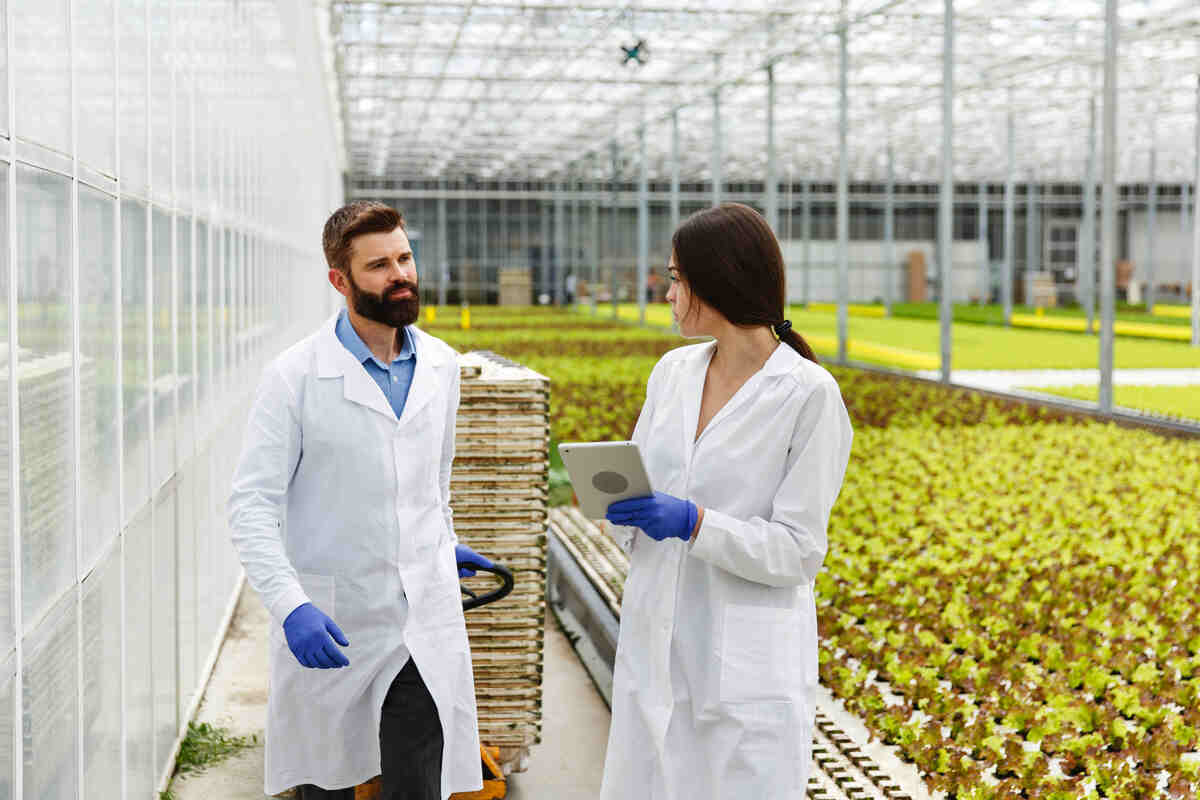
Plant tissue culture, a technique that has been a part of agriculture for over three decades, has a rich history. It was originally seen as a technological breakthrough and continues to play a crucial role in modern why is tissue culture important in agriculture. The method, which involves growing and cultivating plant cells, tissues, or organs in a controlled, Sanitised environment, holds particular significance for developing countries. These regions often struggle with the production of disease-free, high-quality planting material, and tissue culture offers a solution. It not only ensures uniformity in crops but also allows for rapid multiplication, leading to increased efficiency in the production of plant materials.
Enhancing Yield and Genetic Modification
One of the most promising applications of plant tissue culture is in the genetic modification of plants. By utilizing the regenerative capabilities of plant cells, this technique allows for the precise alteration of genetic material, enabling the creation of plants with desirable traits. Whether improving yield, enhancing disease resistance, or adapting plants to changing environmental conditions, tissue culture offers a practical pathway for transforming why is tissue culture important in agriculture The potential of this method to increase crop production while maintaining uniformity must be considered.
Optimizing Growth Conditions
The success of plant tissue culture heavily depends on controlled environmental factors. Proper incubation conditions, such as temperature, humidity, air circulation, and light quality, are paramount for the healthy development of plant cultures. Each plant species may require specific parameters to thrive, and maintaining these conditions optimally ensures robust growth. Precision in controlling these factors is critical, as even minor deviations can lead to the loss of the culture or undesired outcomes.
The Role of Organic and Inorganic Chemicals in Media Preparation
An essential aspect of plant tissue culture is preparing the culture media. This involves carefully selecting organic and inorganic compounds to provide the necessary nutrients for plant growth. The balance of these chemicals is essential for supporting the development of plant cells, promoting regeneration, and ensuring that the desired genetic modifications take root. Each chemical plays a unique role, from aiding in the division of cells to helping maintain the structure and function of the plants at a cellular level.
Economic Impacts of Plant Tissue Culture
The economic implications of plant why is tissue culture important in agriculture are profound, especially for resource-constrained countries that struggle with agricultural productivity. By facilitating the mass production of healthy, uniform plants, tissue culture can significantly reduce the costs associated with crop failures and pest infestations. This stabilizes the food supply and enhances income security for farmers. Moreover, the rapid propagation of plants enables faster turnover times, allowing for quicker market access and better alignment with seasonal demands. This promising economic outlook underscores the potential of plant tissue culture to transform agricultural practices.
Mainstream Agriculture
This technology also supports the commercialization of rare or endangered plant species by providing a scalable means of production. What was once limited to botanical gardens or niche markets can now be brought into mainstream why is tissue culture important in agriculture, broadening the scope of economic opportunities within the agricultural sector.
Environmental Sustainability Through Tissue Culture
The environmental benefits of plant tissue culture further reinforce its importance in sustainable why is tissue culture important in agriculture. By producing disease-free plants and ensuring genetic consistency, there is a reduction in the need for chemical interventions such as pesticides and herbicides. This has a direct positive impact on soil health and biodiversity, as fewer chemicals leach into the environment.In a world grappling with the consequences of climate change, tissue culture offers a tool for developing resilient.
Applications in Conservation
Beyond the agricultural sector, plant tissue culture is vital in environmental conservation and sustainability efforts. The ability to propagate rare, endangered, or even extinct species offers hope in the fight against biodiversity loss.
Sustainability
Impossible to cultivate through traditional methods, they can be successfully grown and reintroduced into their natural habitats. This technique allows for the mass reproduction of plants with minimal impact on their natural environments, offering a sustainable solution to ecosystem restoration efforts.
Genetics materials
Furthermore, plant tissue culture can aid in the conservation of genetic diversity. By preserving genetic materials in vitro, scientists can maintain a library of plant species that could be critical for future research or restoration projects. This ensures that even in the face of climate change or habitat destruction, the genetic heritage of important plant species is preserved, offering long-term benefits for both why is tissue culture important in agriculture and environmental health.
Future Prospects of Plant Tissue Culture
As the global populace continues to rise, the request for food and agricultural resources will only increase. Plant tissue culture stands at the forefront of addressing this challenge by providing a reliable, scalable, and innovative solution to food security issues. With ongoing advancements in biotechnology, it is likely that plant tissue culture will evolve further, leading to even more efficient techniques for genetic modification, plant breeding, and disease resistance. These advancements could include improved methods for gene editing, more precise control over plant growth, and the development of news plant varieties with enhanced nutritional value or resilience to environmental stress.
Plants Tissue Culture
In a future marked by environmental uncertainties, the adaptability and precision of plant tissue culture will prove invaluable. By fostering innovation in crop development and sustainability, this technology has the potential to revolutionize the agricultural landscape, ensuring that global food systems remain resilient in the face of adversity. This inspiring vision underscores the potential of plant tissue culture to shape the future of why is tissue culture important in agriculture.
Conclusion
Plant tissue culture has reshaped why is tissue culture important in agricultureis approached, particularly in developing regions. By fostering the development of disease-free and uniform crops and opening avenues for genetic enhancements, this method continues to be indispensable in agricultural practices. As agricultural challenges evolve, the precision and adaptability offered by tissue culture make it a cornerstone for future advancements.